In an increasingly litigious society,
even local fund-raising events need coverage
By Julianne Johnson
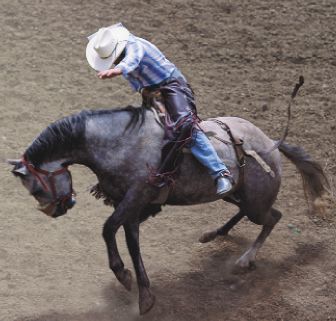
To find events to cover, Mark Diperno, president of SportsInsurance.com, recommends that agents speak to a local promoter or take a trip to the civic center to find out what events are on the calendar.
The recent Super Bowl XXXVIII at Reliant Stadium in Houston had its share of strong defensive plays, exciting offense and interesting new advertisements. But what will be remembered for quite some time is the halftime show that already has produced lawsuits from irate viewers, dramatically displaying the growing need for special events insurance.
In a country that is extremely litigious and understandably obsessed with terrorism, special events insurance has become tremendously important for coordinators of events of all sizes. Virtually any event can result in suits from jittery spectators, vendors, and performers. All-inclusive event coverage is now a necessity--and that necessity reaches way down to local events and right down into independent agents' hometowns.
Gone are the romantic days of Babe Ruth proudly indicating to the fans in the bleachers the ultimate destination of his intended home run. Now, millionaire athletes play for billionaire owners, and spectators who take offense at happenings on the field or in the stands may very well decide to roll the dice and try to share in the bounty.
Special events policies provide liability coverage and legal defense for claims of negligence based on mismanagement or acts of God such as weather or earthquakes. This can include improper security, failure to maintain safe equipment or, in some cases, weather that causes the cancellation of an event.
However, legal liability is not just limited to organizations as large as the NFL or MLB. Claims and lawsuits have been brought against wedding organizers, universities, private hosts, and those managing community events, making the market considerable. Large brokers deal with national sporting leagues, but it's the smaller agent who deals with local events such as rodeos or street fairs.
Given the unique risks involved both in coordinating an event and writing this type of insurance policy, all special event insurance should be tailor-made to fit the occasion, according to Mark Diperno, president of the Delaware-based SportsInsurance.com, a broker that specializes in special event coverage. It is a "very specialized and difficult market," Diperno says, pointing out that many underwriters focusing on special events are "odds makers," gamblers in the truest sense of the word. Online sports brokers very often work with people who come to them through the Internet with specific and exotic needs.
Diperno went on to say that the Internet can be a great resource for independent agents and brokers to help find the tools that are available to them. "It's a huge market, but a difficult one to put your finger on," Diperno says. Moreover, he adds that there are perhaps only 10 companies in the United States that like to write this type of insurance. "These are strictly the specialty companies."
Benefits are substantial to the insured who buys special events coverage. For example, typical policies could provide from one to 10 days of insurance coverage instead of the usual full year of coverage provided under a regular liability policy. Also, having insurance written to event specifications can afford the insured peace of mind. Event organizers, if well insured, can get even more creative with their event, offering "themed" contests to further increase attendance as well as press coverage for an event. As a promotional tool, even weather insurance could be used to an advantage. For example, take the car dealership that advertises: "Buy a car from us in the month of December and if it snows on December 25, get that car for free!" The insurance company covering this gamble would have to make the premium commensurate with the prize, of course.
Still, prize insurance can work on a much smaller scale and still be a very effective marketing tool. Audiences can be wooed with a payout of $10,000 for anything from shooting 20 hockey pucks into a net to tossing an olive into a 4-inch martini glass from 20 feet away. According to Diperno, such a policy might call for a premium of roughly $1,800. The lower the payout, the lower the premium.
One of the most popular forms of prize insurance is hole-in-one coverage. In fact, a number of companies offer only hole-in-one insurance, often making purchasing available online. The National Hole-In-One Association is one such company. According to their Web site, their coverage includes customized signs, bonus hole prizes and express delivery.
Marketing is not the only consideration for a client looking for special events insurance. According to William Bannon, vice president of BWD Group LLC, the most popular coverage is liability, depending on the event or the need of the organization, "particularly now with terrorist threats. Lots of clients are focused on that. Premiums are very high since 9/11," says Bannon. "The marketplace has changed dramatically. High profile events are costly to insure."
The extent of the liability insurance coverage needed by each individual client can be colossal. Last year, Near North Insurance Brokerage provided property and casualty insurance for the Super Bowl halftime show. When contacted, Near North Insurance would not comment because they are now experiencing legal difficulties, but a press release that was disseminated at the time said last year's 16-minute Super Bowl halftime show required a multimillion dollar insurance policy covering "everything from spectator and participants liability; non-owned automobile liability and physical damage; workers compensation and employers liability; and excess/umbrella liability to various videotape production coverages." Furthermore, this is an event so sizable that it must even take international terrorism into consideration.
The venue where an event is held can be an important factor in setting a premium, Bannon emphasizes. Events in the more high-risk cities are more costly to insure.
Finding events to cover shouldn't be a difficult task for independent agents and brokers. Diperno recommends speaking to a local promoter or taking a trip to the civic center to find out what events are on the calendar.
It is important to make sure that a special events policy covers the individual needs of the event organizers, Diperno emphasizes. His company offers extensive information for the potential buyers, including the need for participant injury liability, punitive damages, and abuse/molestation.
Occurrence vs. claims-made is another nuance consumers should be aware of. An occurrence policy would be especially important in youth sports, because many minors who are injured can wait until the age of 20 before filing a lawsuit. According to SportsInsurance.com, a group that "purchased an occurrence policy during the year of the injury would have protection even if the policy is not renewed in later years." The converse applies with a claims-made policy. Such a policy would protect the holder only if said policy, or a renewal thereof, were in effect at both the time of the injury and the time of the lawsuit.
Obviously, the special events insurance market is not seasonal. Aside from free cars on snowy days and Super Bowls, there are summer festivals, outdoor concerts, homecoming parades, and conventions.
Whether an agency's client is planning a school festival or producing the halftime show at the Super Bowl, special events insurance should receive top billing on its to-do list. *